
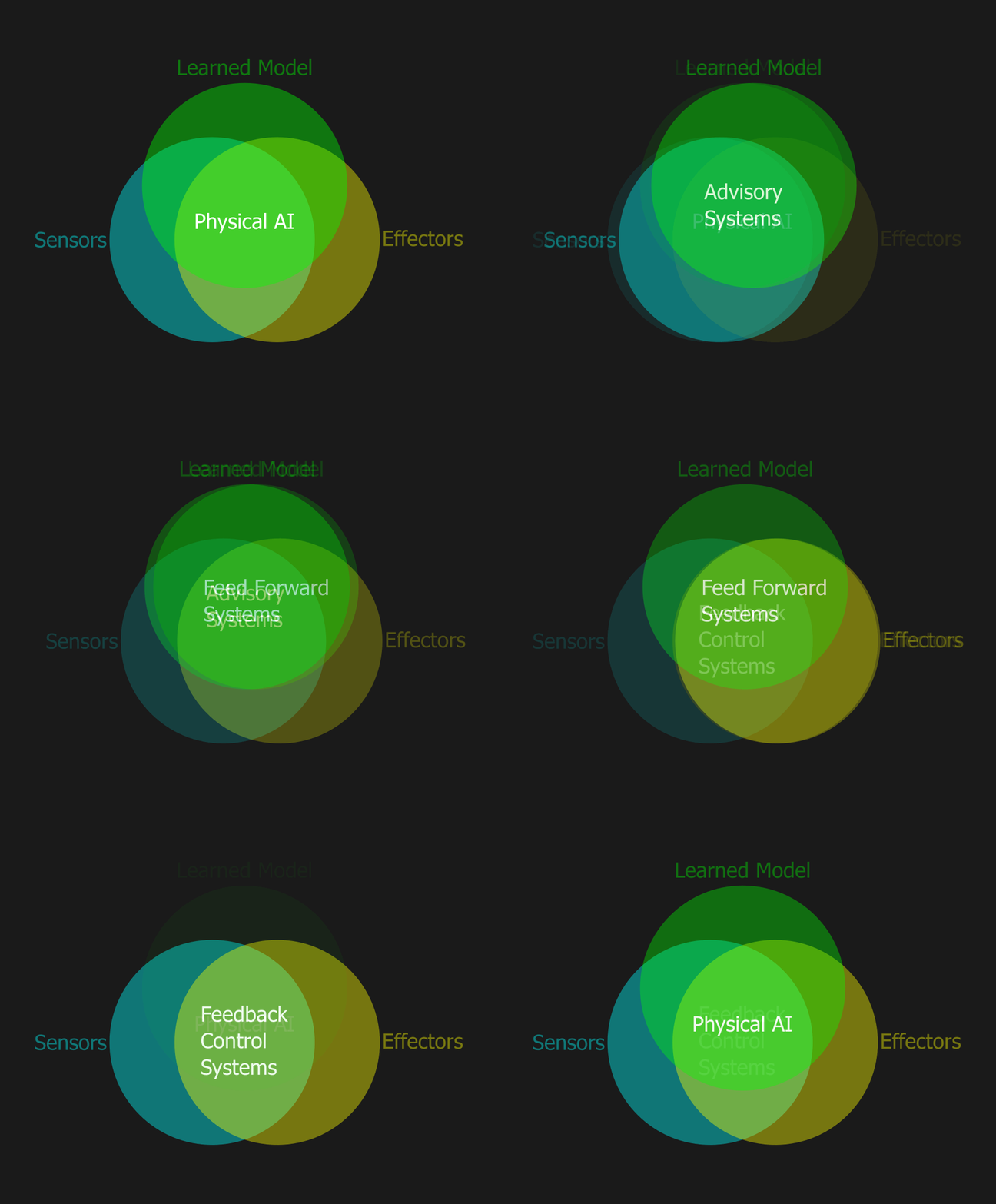
Physical AI is a trendy term of jargon, but what does it mean?
That depends on who you ask.
Roughly, Physical AI is any goal-seeking machine that physically behaves in the world by sensing its environment and deliberating between actions using a learned model.
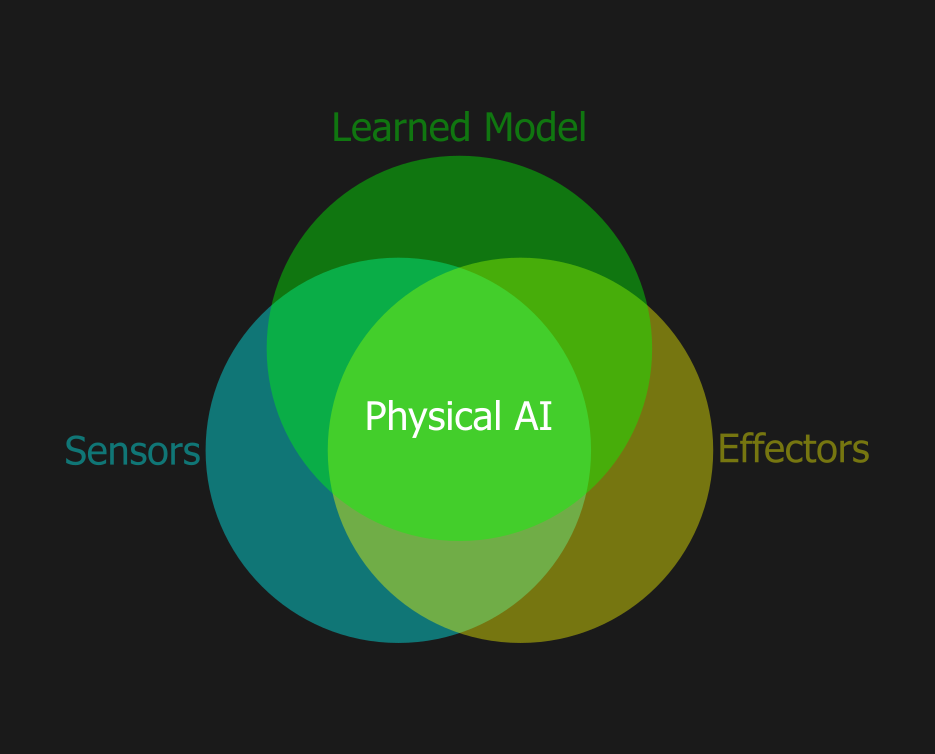
It’s helpful to see this in real-world examples and where the boundaries can be drawn:
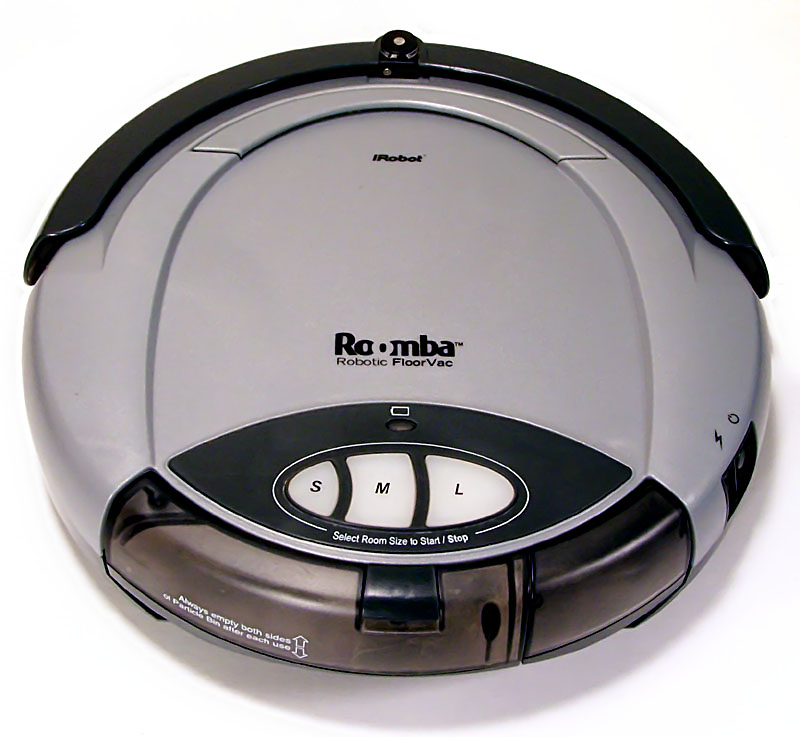
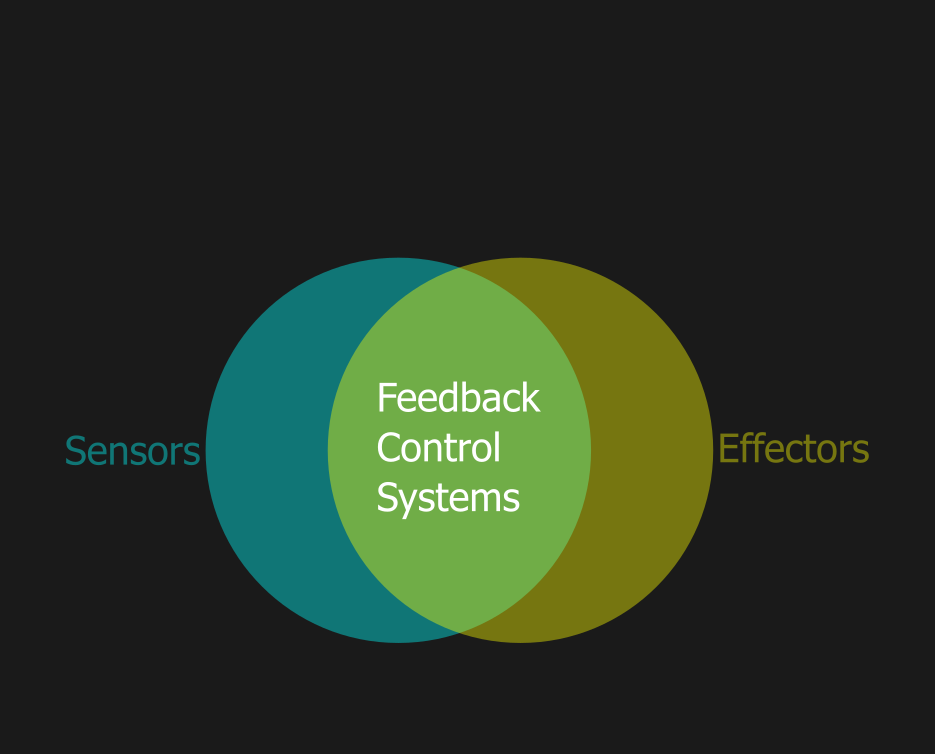
Roomba’s first robotic vacuum (2002) was not quite Physical AI. It behaved in the world and used sensors, but there was no learned model in the loop. It had a contact bumper on it’s front half and infrared cliff sensors. It covered a room by bumping into things and turning away. That’s sensors and effectors with deterministic rules, a classic feedback control system:
In 2015, the Roomba 980 added an upward-facing camera and visual mapping (vSLAM) so it could build a map of your home and clean in neat rows.
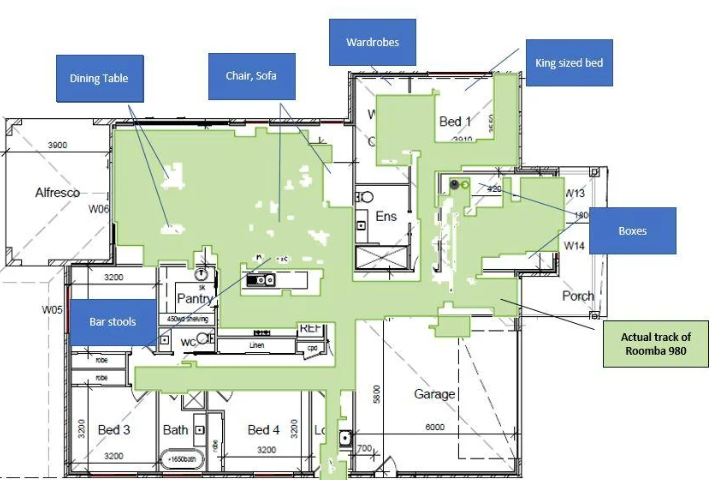
Endowing the robot with memory is much more sophisticated than the original design, but it is still feedback control. There’s no model trained on data.
Then in 2021 the Roomba j7 crossed the threshold to Physical AI: It can recognize power cords, shoes, socks, and pet waste and will steer around them. iRobot trained that recognition on more than a million images from over a thousand homes, and it runs on the robot itself. A learned model now decides where the robot goes.
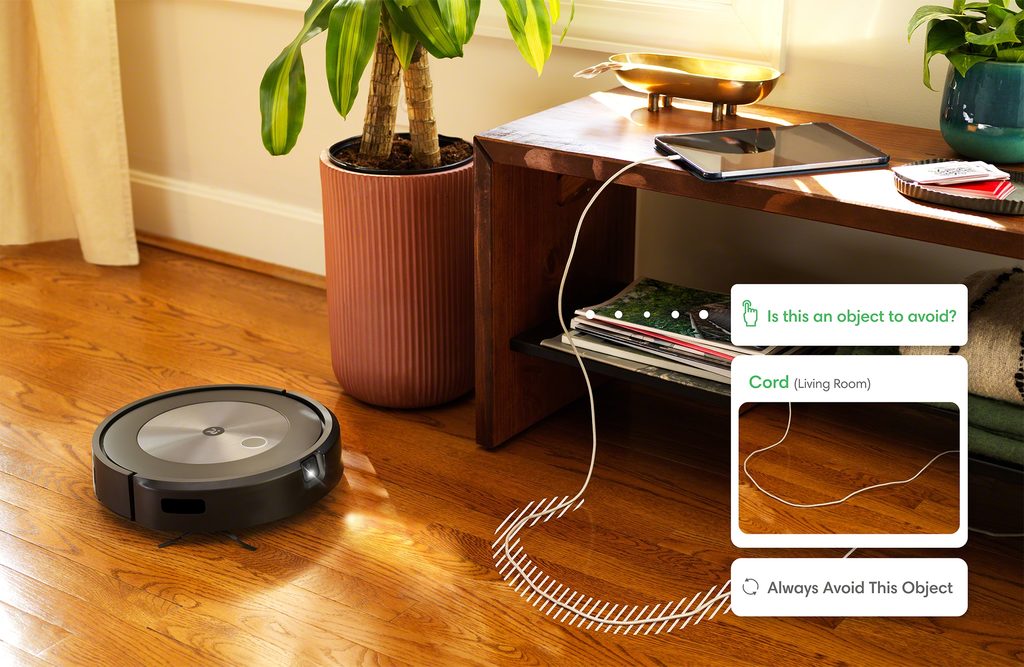
This image also shows an example of an Advisory System: For some obstacles, the j7 sends a photo to your phone and asks whether to avoid it from now on.
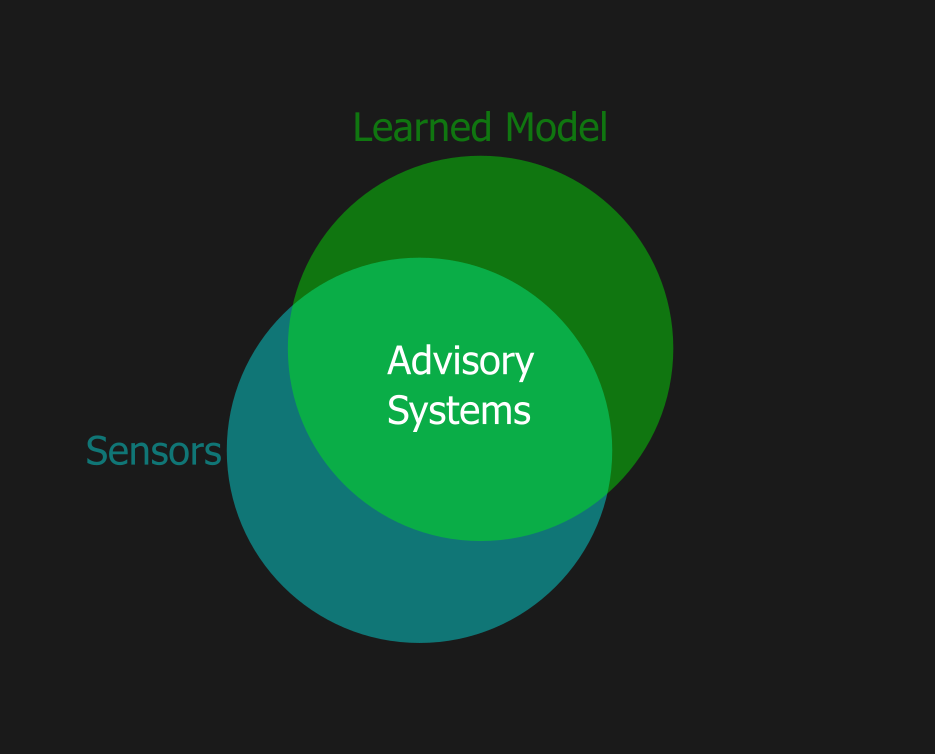
For us, Physical AI presents exciting new ways to use hardware.
Are you working on the next generation of Physical AI? Contact Us